
History of the Haunted House
Source: smithsonianmag.com
The haunted house has been a Halloween tradition for generations, but its roots stretch back to the 19th century. In London, attractions featuring gruesome wax figures and frightening illusions introduced audiences to a new kind of entertainment. By the early 1900s, theaters and fairgrounds were creating increasingly elaborate horror attractions, including some of the first commercial “ghost houses.”
Haunted houses became especially popular in the United States during the Great Depression. Communities and families created inexpensive Halloween attractions in basements, attics, and homes as a way to entertain children and discourage the destructive pranks that had become associated with Halloween. These early “trails of terror” featured dark tunnels, ghosts, witches, strange noises, and homemade special effects.
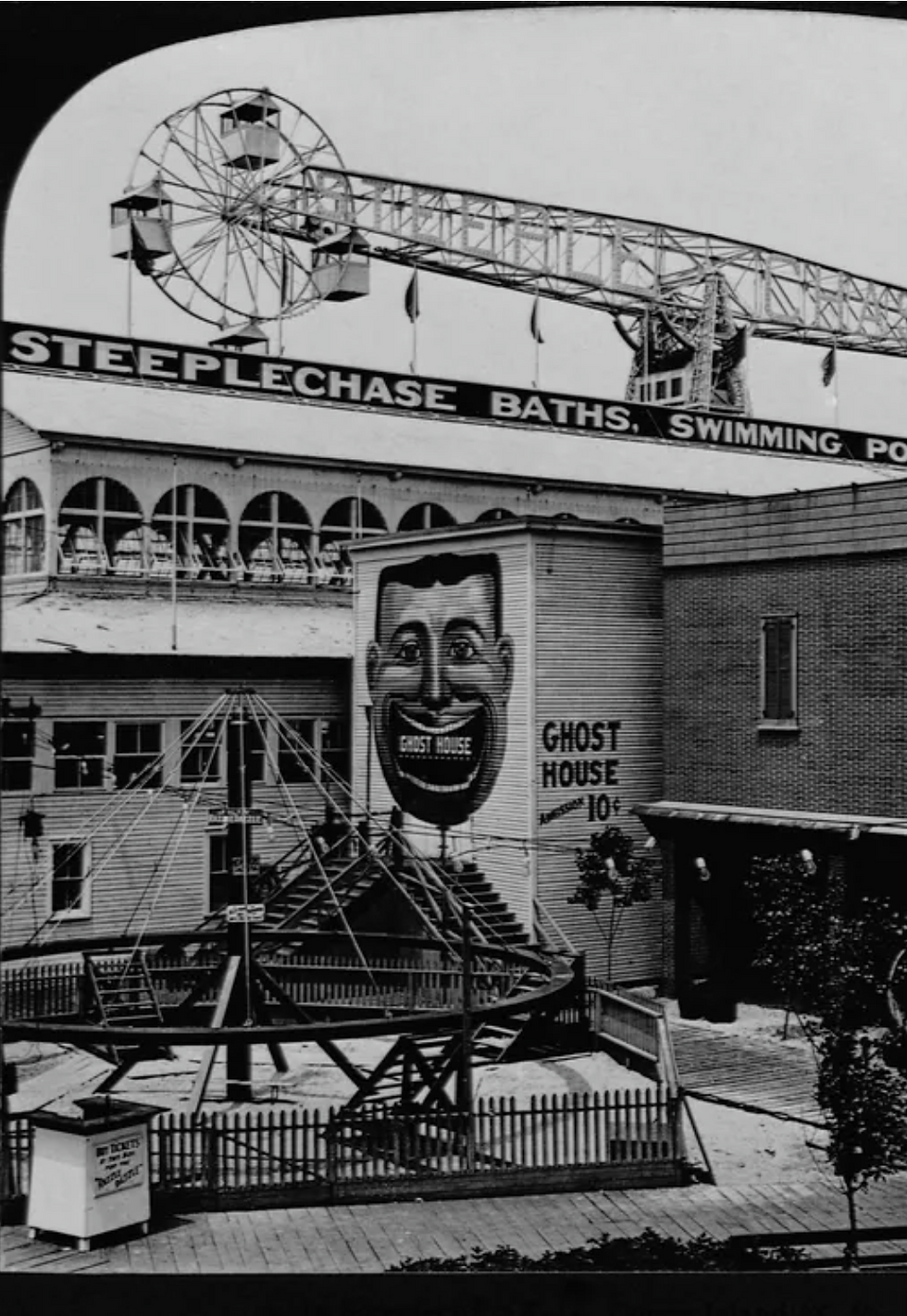
The modern haunted house industry changed dramatically with the opening of Disneyland’s Haunted Mansion in 1969. Its sophisticated illusions and special effects transformed the haunted house into an immersive experience, inspiring attractions across the country.
During the 1970s and ’80s, haunted houses became popular fundraisers and commercial attractions, while the rise of horror movies brought characters and themes from Hollywood into the experience. Over time, professional haunted houses grew larger and more elaborate, eventually expanding beyond traditional haunted houses to include zombie runs, escape rooms, and other immersive experiences.
What began as simple homemade Halloween scares has become a major part of Halloween culture— combining storytelling, architecture, technology, theater, and the timeless appeal of being frightened for fun. Read the full article at smithsonianmag.com.
Read the entire article at: smithsonianmag.com
Ready to update your home?
Call 518-734-6700 to speak with Liz, or book your free Q+A call below:


