The Next Sustainable Building Won't Need Shade.... It'll Cool Itself
Source: architectmagazine.com
It can be argued that the future of sustainable architecture lies in building exterior that actively regulates heat and sunlight, rather than relying on add-ons like shades or blinds.
Architects are rethinking the connection between form and performance, using design itself to reduce energy use.
A key concept is self-shading - designing buildings so their own shapes, surfaces, or materials naturally block or diffuse solar radiation. Despite its potential, this strategy is underused. Research shows that effective self-shading depends on three main factors: Geometry (building shape), surface area exposed to sun and material properties.
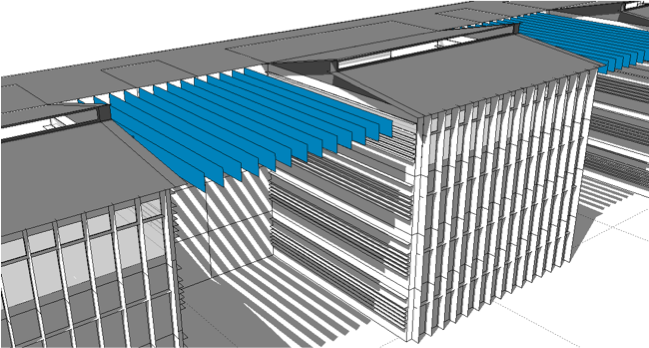
Here are two major innovation examples:
1. Biomimetic Materials: Inspired by elephant skin, textured concrete panels create tiny folds that produce shade, airflow, and evaporative cooling. Tests show that deeper textures increase heat loss.
2. Adaptive Exterior (FinWall): A proposed system of rotating panels that adjust with the seasons - reflecting heat away in summer and retaining it in winter - potentially saving significant energy.
Overall, the next-generation buildings will behave more like living systems, using smart geometry, materials, and movement to automatically respond to the sun and climate reducing energy use while opening new possibilities for architectural design.
Read the entire article at: architectmagazine.com.
Want to learn more about sustainable shading?
Call 518-734-6700 to speak with Liz, or book your free Q+A call below: